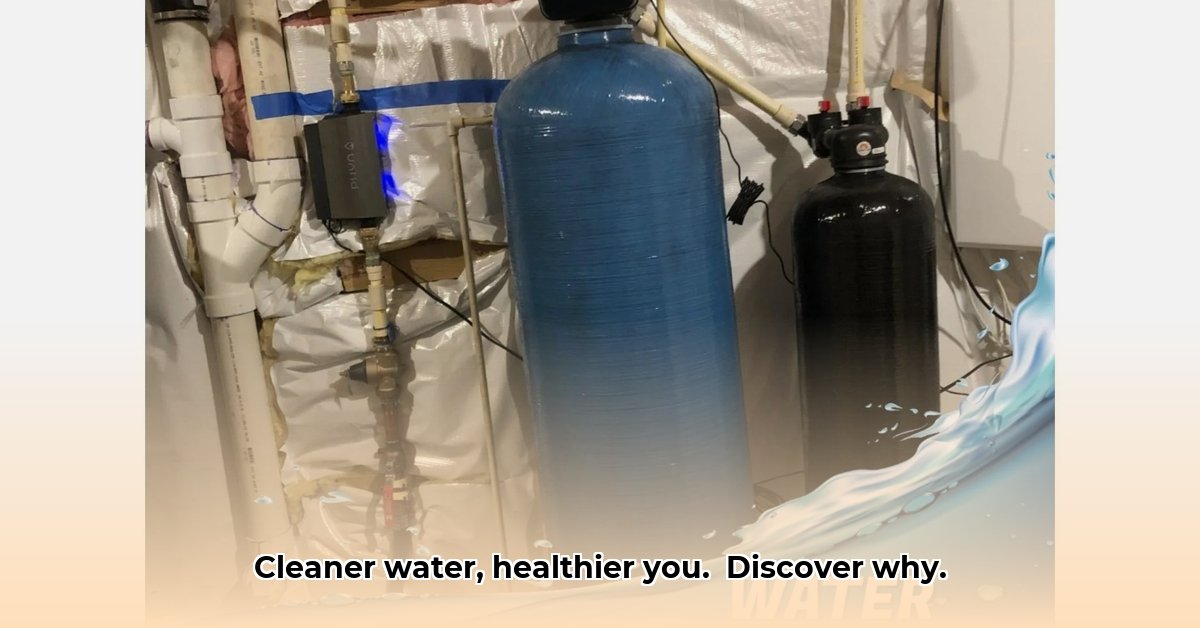
Worried about the unseen contaminants lurking in your tap water? This comprehensive guide explores the significant benefits of home water filtration systems, empowering you to choose, install, and maintain the perfect system for your family's needs. From improved health and significant cost savings to a reduced environmental footprint, the advantages are substantial. Let's dive in.
Benefits of Water Filtration Systems
Clean drinking water is paramount to health and well-being. Water filtration systems offer a multitude of benefits extending beyond simply improving taste.
Healthier Family, Healthier Future
Unseen contaminants in tap water—chlorine, heavy metals (like lead and arsenic), bacteria, and viruses—pose significant health risks, particularly for children. A water filtration system acts as a crucial barrier, protecting your family from these potential dangers and reducing the risk of waterborne illnesses. Is safeguarding your family's health not worth the investment?
Unlocking Significant Cost Savings
The recurring expense of bottled water adds up quickly. A high-quality water filtration system can often pay for itself within a year or two through reduced bottled water purchases. Beyond financial savings, mitigating potential health problems further reduces long-term costs.
A Sustainable Choice for a Healthier Planet
The environmental impact of bottled water is substantial: plastic waste, energy consumption, and resource depletion. By choosing home filtration, you drastically minimize your environmental footprint, actively participating in reducing plastic pollution and conserving resources. Isn't a cleaner planet a worthwhile goal?
Types of Water Filtration Systems
Several types of water filtration systems address various contaminants:
Reverse Osmosis (RO) Systems: These systems employ a semipermeable membrane to remove a wide array of impurities, including dissolved salts and minerals. (Think of it like a super-fine sieve for your water.) While highly effective, they can be more expensive and may remove beneficial minerals.
Activated Carbon Filters: Primarily effective at removing chlorine, sediment, and organic compounds impacting taste and odor. (These are like a sponge for impurities, absorbing unwanted substances.) They are generally more affordable and require less maintenance than RO systems.
UV (Ultraviolet) Disinfection Systems: UV light effectively eliminates bacteria and viruses. (UV light is a natural disinfectant, similar to how sunlight sterilizes surfaces.) It's often paired with other filtration methods for complete protection.
Sediment Filters: These filters primarily remove larger particles like sand and rust, improving water clarity. (These are the basic filters, catching the larger, visible debris.) They're usually inexpensive and a good starting point or addition to multi-stage systems.
Here's a summary comparison:
| System Type | Pros | Cons |
|---|---|---|
| Reverse Osmosis | Removes a wide range of contaminants | Higher cost; may remove beneficial minerals; higher water use |
| Activated Carbon | Cost-effective; improves taste and odor | Less effective against dissolved solids |
| UV Disinfection | Kills bacteria and viruses | Doesn't remove sediment or dissolved solids |
| Sediment Filtration | Simple, inexpensive, improves clarity | Only removes large particles |
Choosing the Right Water Filtration System
Selecting the appropriate system involves several steps:
Test Your Water: A home water test identifies specific contaminants. Knowing this empowers you to choose the right system.
Assess Your Needs: Consider your budget, household size, and water quality concerns. Prioritize your needs – taste, odor, or health concerns.
Compare Systems: Utilize the provided information and comparison chart to evaluate systems based on your needs and test results.
Read Reviews: Check online reviews for insights into user experiences.
Purchase and Install: Choose a reputable supplier and follow installation instructions carefully.
Installation and Maintenance
Installation varies by system type; always refer to the manufacturer's instructions. Regular maintenance, including timely filter replacements, ensures optimal performance and longevity.
Addressing Common Concerns
Mineral depletion from RO systems is a common concern. However, remineralization filters often alleviate this, balancing the benefits of contaminant removal with mineral retention.
Conclusion
Investing in a home water filtration system is a proactive step toward a healthier family, a healthier wallet, and a healthier planet. Choose the system best aligned with your needs, and enjoy the benefits of cleaner, healthier water!